
The Ultimate EICR Guide: Understanding Electrical Installation Condition Reports
When it comes to electrical safety in homes and workplaces, knowing the condition of your electrical system is crucial. An Electrical Installation Condition Report (EICR) is a key document that helps ensure your electrical installations are safe and compliant with regulations. This guide will walk you through everything you need to know about EICRs, from what they are to how much they cost and why they matter.
What is an EICR? A Comprehensive EICR Guide
An Electrical Installation Condition Report (EICR) is a formal document produced by a qualified electrician after inspecting the electrical installations in a property. The purpose of this report is to assess the safety and condition of the electrical wiring, sockets, switches, and other components.
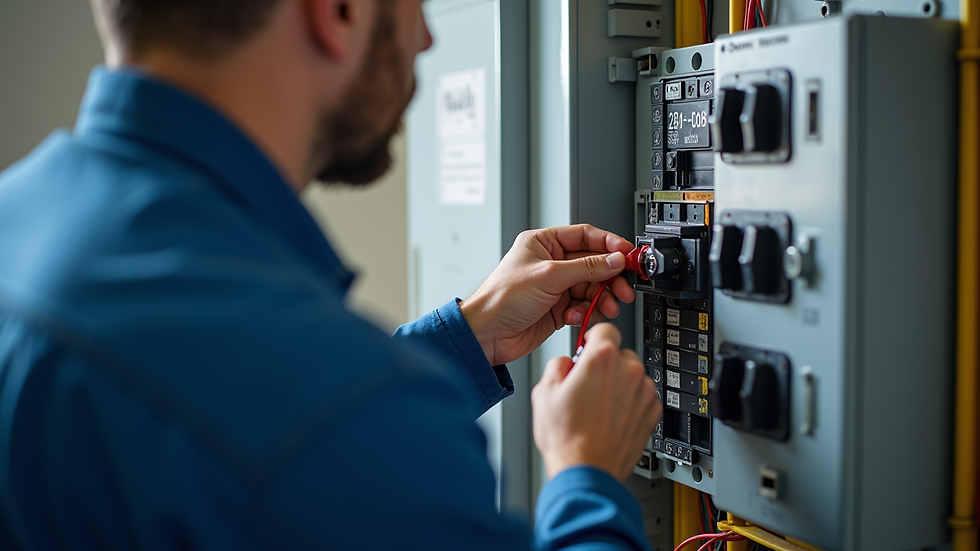
The inspection involves a thorough examination of the electrical system to identify any faults, deterioration, or potential hazards. The electrician will test circuits, check for proper earthing and bonding, and ensure that the installation complies with current safety standards.
The EICR will categorise any issues found into codes such as:
C1 (Danger present) - Immediate risk of injury, requiring urgent remedial action.
C2 (Potentially dangerous) - Defects that could become dangerous and need prompt attention.
C3 (Improvement recommended) - Non-urgent issues that should be addressed to improve safety.
FI (Further investigation required) - Areas where more detailed inspection is needed.
Having an up-to-date EICR is essential for landlords, homeowners, and businesses to maintain electrical safety and comply with legal requirements.
Why You Need This EICR Guide: Importance of Electrical Safety Checks
Electrical faults can cause fires, shocks, and damage to appliances. Regular inspections through an EICR help prevent these risks by identifying problems early. For landlords, it is a legal requirement in many regions to have an EICR carried out every 5 years or at the start of a new tenancy.
For homeowners, even if not legally required, an EICR provides peace of mind that your electrical system is safe. Businesses also benefit from regular inspections to protect employees and customers and to avoid costly downtime due to electrical failures.
The EICR guide highlights that a well-maintained electrical system:
Reduces the risk of electrical fires.
Prevents electric shocks and injuries.
Ensures compliance with insurance and legal standards.
Helps maintain the value of your property.
If defects are found, the report will recommend remedial work, which should be completed by a qualified electrician promptly.
How much does an electrical condition report cost?
The cost of an EICR can vary depending on several factors such as the size of the property, the complexity of the electrical system, and the location. On average, you can expect to pay between £100 and £300 for a standard domestic property.
Factors influencing the price include:
Property size - Larger homes or commercial buildings require more time and effort to inspect.
Number of circuits - More circuits mean more testing and documentation.
Accessibility - Difficult-to-access wiring or installations may increase labour time.
Location - Prices may vary depending on regional demand and electrician rates.
It is important to get a clear quote before commissioning the inspection. Remember, the cost of an EICR is a small price to pay compared to the potential consequences of electrical faults.
If defects are found, the cost of remedial work will be additional. Always use a registered and qualified electrician to carry out both the inspection and any repairs.
What Happens During an Electrical Installation Condition Report?
During an EICR, the electrician will carry out a series of tests and visual inspections to assess the condition of your electrical system. The process typically includes:
Visual inspection of consumer units, wiring, sockets, switches, and light fittings.
Testing of circuits using specialised equipment to check for insulation resistance, polarity, earth continuity, and RCD (Residual Current Device) operation.
Verification of earthing and bonding to ensure safety measures are in place.
Identification of any damage, wear, or non-compliance with current regulations.
The electrician will document all findings and assign codes to any issues discovered. The final report will include recommendations for repairs or improvements if necessary.
It is advisable to be present during the inspection to ask questions and understand any concerns raised by the electrician.
How to Prepare for Your Electrical Installation Condition Report
Preparing for an EICR can help the process go smoothly and efficiently. Here are some practical tips:
Clear access to the consumer unit and electrical outlets so the electrician can inspect and test without obstruction.
Inform the electrician of any known electrical issues or recent work done on the system.
Ensure pets and children are kept away from the inspection area for safety.
Plan for potential power interruptions during testing, especially if the property is occupied.
Have documentation ready if previous electrical work or inspections have been carried out.
By preparing in advance, you can help the electrician complete the inspection quickly and accurately.
What to Do After Receiving Your Electrical Installation Condition Report
Once you receive your electrical installation condition report, review it carefully. The report will outline any defects and their severity. Here’s what to do next:
Address C1 and C2 issues immediately by hiring a qualified electrician to carry out repairs.
Schedule improvements for C3 recommendations to enhance safety.
Arrange further investigations for FI codes to clarify any uncertainties.
Keep the report safe as proof of compliance and for future reference.
Plan regular inspections to maintain electrical safety over time.
Ignoring the report’s findings can lead to serious safety risks and potential legal consequences, especially for landlords and businesses.
Staying Safe with Regular Electrical Inspections
Electrical safety is not a one-time task. Regular inspections and maintenance are essential to keep your property safe. The EICR guide encourages scheduling inspections every 5 years for domestic properties and more frequently for commercial premises or high-risk environments.
By staying proactive, you can:
Detect and fix faults before they cause harm.
Ensure compliance with evolving electrical regulations.
Protect your family, tenants, or employees from electrical hazards.
Maintain insurance coverage and avoid penalties.
Remember, safety starts with knowledge and action.
Understanding the importance of an Electrical Installation Condition Report and following this EICR guide will help you maintain a safe and compliant electrical system. Whether you are a homeowner, landlord, or business owner, regular inspections are a vital part of responsible property management. Stay informed, stay safe, and ensure your electrical installations are in top condition.


Comments